

How Do Assisted Living Staff Help Residents Throughout the Day?
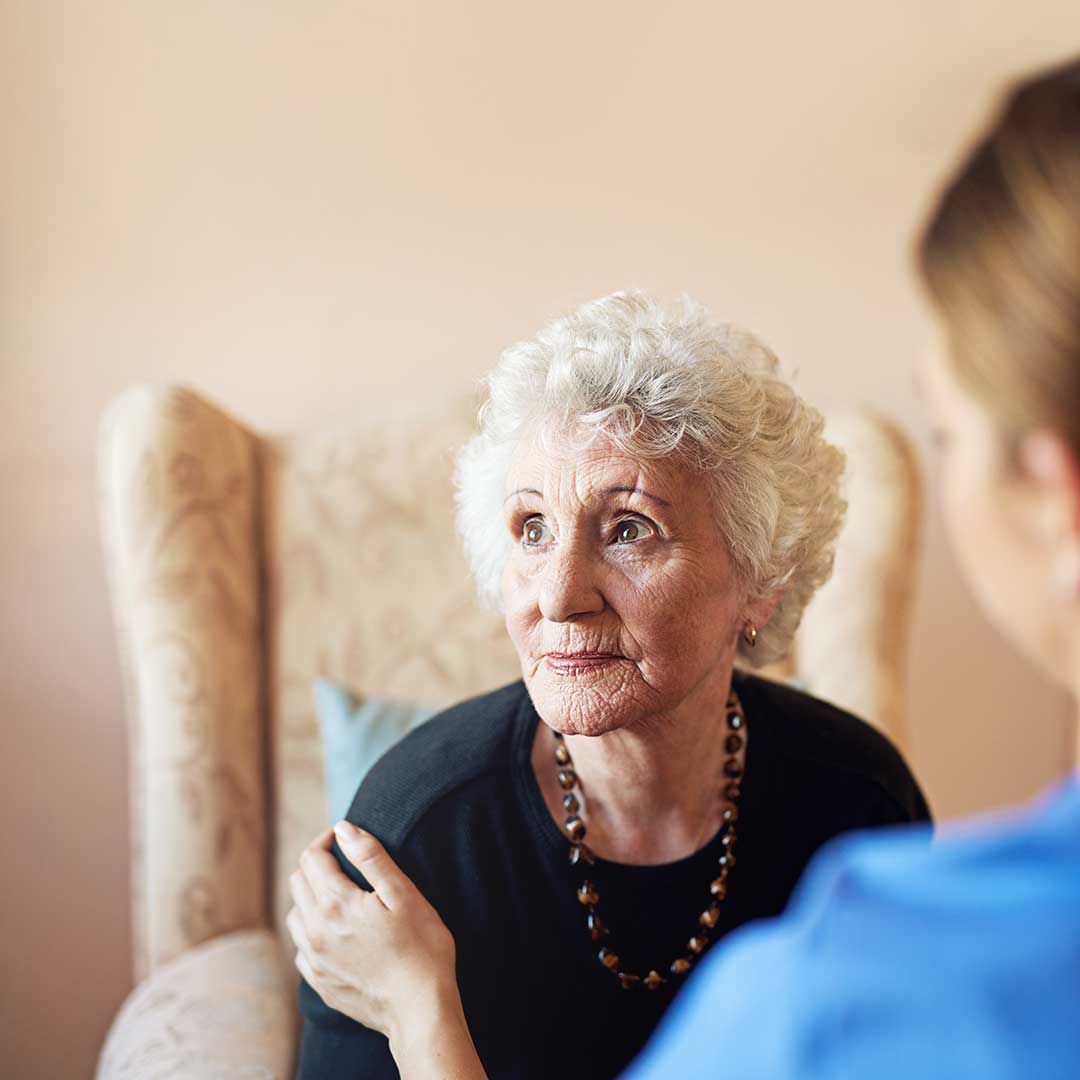
Assisted living staff in Gettysburg, PA offer a combination of practical help and personal support that makes daily life safer, easier, and more comfortable for residents. Their involvement varies based on each individual’s needs, but the staff’s steady presence brings peace of mind to many local households.
Staff assist with basic routines such as bathing, dressing, and moving safely around the community. For those with limited mobility, team members may help residents in and out of chairs, support walking, or provide gentle reminders to use walkers or canes. This practical help is tailored and often changes as residents’ circumstances evolve, especially through Pennsylvania’s seasonal weather shifts.
What Medical and Health Support Is Available?
Direct medical care in assisted living settings is limited, but staff are trained to monitor health, manage medications, and respond to urgent issues.
- Staff organize and administer routine medications as outlined by individual care plans. In Gettysburg, this also means ensuring medications are safely stored out of reach of unauthorized residents due to local regulations.
- Observing for subtle changes in mood, energy, appetite, or confusion is a daily responsibility. Assisted living staff are the first to spot concerning symptoms and can notify families or health practitioners if needed.
- In case of a fall, injury, or sudden illness, staff follow emergency protocols and initiate contact with medical professionals or emergency services.
This overall support does not replace direct physician oversight but serves as a reliable safety net for disease management and well-being in the community.
How Are Meals and Nutrition Handled?
Meal preparation is an integral part of resident care. In Gettysburg, where both traditional Pennsylvania Dutch and modern dietary preferences appear, staff ensure food served is appealing, healthy, and suited to individual medical or religious needs.
- Menus are crafted to provide balanced nutrition, with seasonal produce often sourced from local farms when possible.
- Staff help residents with meal choices, offer reminders of dining room schedules, and assist those who need extra help eating—whether due to arthritis, tremors, or impaired vision.
- Hydration is monitored, particularly during the humid summers and cold winters that can increase risk of dehydration or related illness.
Fulfilling nutrition requirements helps maintain residents’ strength and supports recovery and health management.
What Emotional and Social Support Do Residents Receive?
Caring for emotional well-being is just as important as meeting physical needs. Assisted living staff in this area play an active role in fostering community and recognizing signs of loneliness or depression.
- Staff organize and facilitate group outings, seasonal celebrations, and crafts in addition to daily activities like games and exercise. These programs reflect local traditions and interests.
- Residents are encouraged to participate according to their mood and ability, but staff pay attention to those who may withdraw or express sadness, offering gentle encouragement or simply a listening ear.
- For those struggling with memory loss or confusion, consistent routines and familiar faces help reduce anxiety and maintain dignity.
This social fabric enriches daily life and helps residents feel truly at home.
Who Handles Housekeeping and Maintenance Needs?
Housekeeping and facility upkeep are routine parts of assisted living. Staff perform regular cleaning, laundry, and minor maintenance tasks for residents, helping upkeep comfortable, sanitary, and hazard-free environments.
- Assisted living rooms and common areas are cleaned according to schedules that account for local pollen and dust levels, particularly during Gettysburg’s spring and fall.
- Laundry assistance ensures clothing and linens are kept fresh, an often-overlooked comfort for residents managing incontinence or limited dexterity.
- Uneven floors, winter snow buildup, or malfunctioning appliances are promptly reported and addressed by the team, minimizing risk of falls or discomfort.
Most residents enjoy the benefit of a well-maintained space that feels truly “lived in” without the burden of upkeep.
Can Residents Keep Their Independence?
Residents in the city are encouraged to do as much as they can independently, with staff available to step in only when needed. This philosophy, supported by Pennsylvania’s assisted living regulations, centers on preserving dignity and personal choice while offering reliable backup.
Practical examples include:
- Offering dressing aids or adaptive utensils so individuals can manage with less hands-on help
- Supporting residents to join community activities at their own pace
- Respecting privacy while ensuring doors remain accessible in emergency situations
Balancing independence with assistance is a daily practice that requires thoughtful communication and flexibility on the part of staff.
Are There Misconceptions About the Role of Assisted Living Staff?
A common myth is that staff “take over everything.” In reality, their role is often more about gentle guidance and background support than direct intervention.
Other misconceptions include:
- Assuming all staff have medical credentials: While many are well-trained, most are not registered nurses but rather have specific certifications and ongoing training.
- Believing staff can make health decisions for residents: Staff play a vital support role but ultimately defer major decisions to families, doctors, or the resident themselves.
Understanding these boundaries helps set realistic expectations for new or prospective residents in the community.
